
Kibbey Wagner Injury & Car Accident Lawyers | December 19, 2025 | Car Accidents
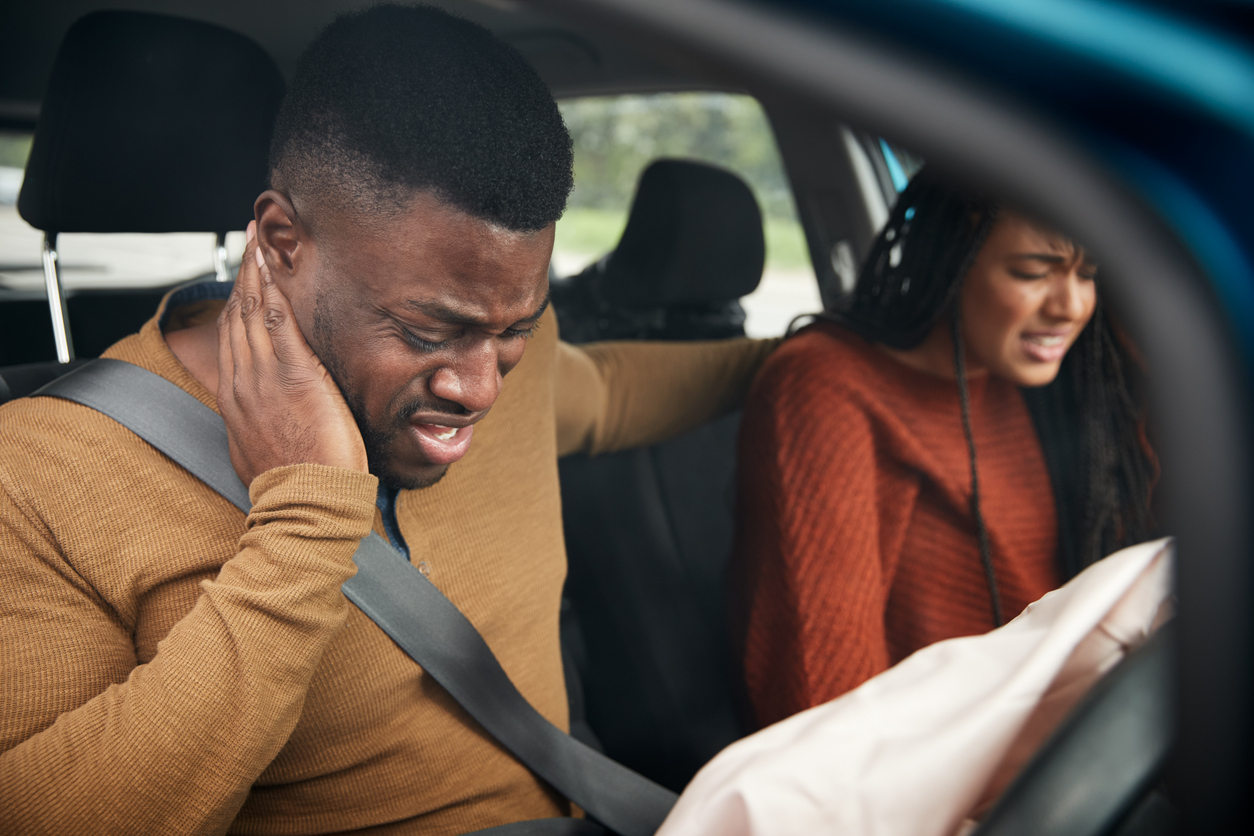
Symptoms of injuries are not always immediately apparent after a car accident in Stuart, Florida. The adrenaline and shock you may still be experiencing can temporarily mask pain, and inflammation often takes time to develop.
In some cases, serious injuries may not cause noticeable symptoms until hours or even days after a crash. Understanding delayed injury symptoms—and knowing how to respond—can protect both your health and your legal rights.
Below is an overview of common injuries that cause delayed symptoms, warning signs to watch for, and what steps to take if symptoms appear after a car wreck.
Common Injuries That Cause Delayed Symptoms
Many car accident injuries do not produce immediate pain or visible signs. Some of the most common injuries associated with delayed symptoms include:
- Soft tissue injuries, such as whiplash, muscle strains, and ligament sprains
- Internal injuries, including organ damage and internal bleeding
- Spinal cord and nerve injuries, which may not be obvious right away
- Concussions and other traumatic brain injuries, where cognitive symptoms may emerge gradually
These injuries can worsen if left untreated, making early recognition and medical care critical.
Delayed Injury Symptoms To Watch For
Delayed injury symptoms can appear hours or even days after a car accident. Even if you felt fine at the scene, it is important to monitor your health closely in the days that follow.
Symptoms to watch for include:
- Persistent or worsening pain
- Stiffness or reduced range of motion
- Swelling or inflammation that develops over time
- Unexplained bruising, especially if it does not fade or continues to spread
- Headaches, dizziness, or nausea
- Numbness, tingling, or weakness in the arms, legs, hands, or feet
- Difficulty breathing or chest pain
- Abdominal pain or tenderness
- Cognitive or neurological changes, such as memory issues, trouble concentrating, confusion, or vision changes
- Fatigue or general feelings of being unwell that persist or worsen
Any new, unusual, or intensifying symptoms should be taken seriously.
What To Do if You Experience Delayed Symptoms After a Crash
If you begin experiencing symptoms after a car accident, taking prompt and deliberate action can protect both your health and your ability to pursue a claim. You should:
- Seek medical attention immediately
- Explain all symptoms to your healthcare provider
- Follow all medical recommendations, attend follow-up appointments, and complete prescribed treatment
- Document your symptoms and recovery
- Take photos of visible symptoms
- Keep copies of medical records and bills related to your injury
- Avoid downplaying your symptoms to doctors, insurers, or others
- Contact a personal injury attorney as soon as possible
- Do not give recorded statements to insurance companies without legal guidance
- Act within legal deadlines
Taking these steps early helps establish a clear connection between the accident and your injuries and reduces the risk of complications or disputes later on.
A Stuart Car Accident Lawyer Can Help
Claims involving delayed symptoms of injury after car accidents in Florida are rarely straightforward. Insurance companies often focus on the lack of immediate pain to downplay the seriousness of the injury or deny responsibility altogether.
For more information, please contact the Stuart, Port St. Lucie, or Palm Beach Gardens personal injury law firm of Kibbey Wagner Injury & Car Accident Lawyers to schedule a free consultation today.
We proudly serve Martin County, St. Lucie County, Palm Beach County, and its surrounding areas in Florida:
Kibbey Wagner Injury & Car Accident Lawyers Stuart
73 SW Flagler Ave
Stuart, FL 34994
(772) 444-7000
Kibbey Wagner Injury & Car Accident Lawyers Port St. Lucie
1100 SW St. Lucie West Blvd. Ste 202
Port St Lucie, FL 34986
(772) 247-3374
Kibbey Wagner Injury & Car Accident Lawyers Palm Beach Gardens
300 Ave of the Champions Ste 170
Palm Beach Gardens, FL 33418
(561) 944-4000