
Jordan R. Wagner | March 2, 2026 | Personal Injury
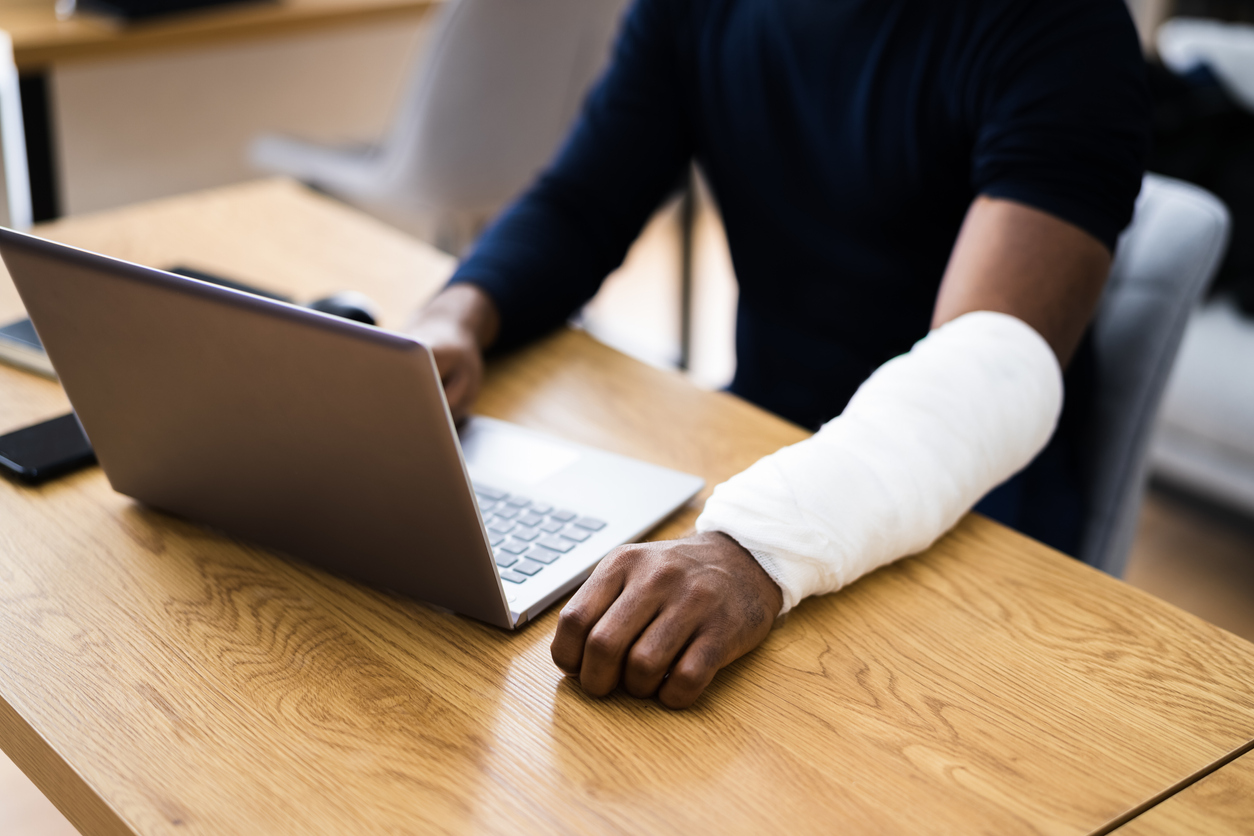
Breaking a bone can throw your whole routine off. You might not be able to work, drive, or handle everyday tasks the way you normally do. So it makes sense that one of the first questions people ask is: How long does it take for a bone to heal?
For many fractures, the answer is about six to eight weeks. That said, healing time can vary widely based on your age, overall health, which bone is broken, and how serious the break is.
How Do Bones Heal After a Fracture?
Bone healing occurs in stages, and your body initiates the repair process almost immediately.
While the details can get technical, the big picture looks like this:
- Inflammation: Right after the break, blood collects around the fracture and forms a clot. This sets the stage for healing.
- Soft callus formation: Over the next days and weeks, the body builds a soft, cushion-like tissue around the break.
- Hard callus formation: That soft tissue gradually hardens into new bone.
- Bone remodeling: Over time, the bone reshapes and strengthens as your body fine-tunes the repair.
Even when a bone is “healed,” remodeling can continue for months, and sometimes longer.
Factors That Affect How Long a Bone Takes to Heal
A few common issues can speed up or slow down healing.
Age
Kids often heal faster than adults. Older adults may heal more slowly, especially if bone density is a concern.
Overall Health
Your body needs good blood flow and proper nutrition to rebuild bone.
Healing can take longer if you have conditions such as:
- Diabetes
- Poor circulation
- Autoimmune disorders
- Nutritional deficiencies
Smoking can also slow healing. Nicotine affects circulation, which can make it harder for your body to deliver oxygen and nutrients to the injury site.
Severity and Type of Break
A clean, simple fracture usually heals more quickly than a complex break. Fractures that are crushed, displaced, or broken into multiple pieces may require surgery and a longer recovery period.
Treatment and Follow-Through
Getting the bone set correctly and keeping it stable are key. A cast, splint, brace, or surgical hardware helps the bone heal in the right position.
On the flip side, doing too much too soon can set you back. Putting weight on a fracture early, skipping follow-up appointments, or not wearing a brace as directed can increase the risk of delayed healing or re-injury.
When Should You Be Concerned About Slow Healing?
Many fractures start to feel noticeably better over the first few weeks, even if they are not fully healed yet.
Still, you should contact a medical provider if you notice:
- Severe pain that is not improving
- Worsening swelling
- Redness, warmth, fever, or other signs of infection
- Little or no progress after several weeks
In some cases, doctors may recommend additional treatment, such as bone-stimulation therapy or surgical intervention, to help accelerate healing.
What Happens After the Bone Heals?
It is common to feel stiff or weak after a cast comes off. When a limb is immobilized, nearby muscles can quickly lose strength, and joints can become tight.
Rehab or physical therapy can help you safely get back to normal movement. If you’re active, it is especially important to ease back in and follow your doctor’s guidance. Trying to “push through” too early can lead to another injury.
Bone Fractures After an Accident
Many fractures are caused by accidents that could have been avoided. Car crashes, slip and falls, motorcycle collisions, and workplace incidents are common sources of broken bones in Florida.
When someone else’s carelessness causes your injury, you may be able to pursue compensation for medical bills, lost income, and other losses. A fracture can mean surgery, follow-up appointments, physical therapy, and time away from work, and those costs can add up fast.
Contact the Stuart Personal Injury Lawyers at Kibbey Wagner Injury & Car Accident Lawyers for a Free Consultation
If you suffered a broken bone in an accident in Stuart or elsewhere in Florida, you do not have to handle the aftermath alone. Between medical expenses and missed work, the situation can feel overwhelming, especially while you’re trying to heal.
Contact Kibbey Wagner Injury & Car Accident Lawyers to schedule a free consultation today. Our Stuart personal injury attorneys are here to help you.
We proudly serve Martin County, St. Lucie County, Palm Beach County, and its surrounding areas in Florida:
Kibbey Wagner Injury & Car Accident Lawyers Stuart
73 SW Flagler Ave
Stuart, FL 34994
(772) 444-7000
Kibbey Wagner Injury & Car Accident Lawyers Port St. Lucie
1100 SW St. Lucie West Blvd. Ste 208
Port St Lucie, FL 34986
(772) 247-3374
Kibbey Wagner Injury & Car Accident Lawyers Palm Beach Gardens
300 Ave of the Champions Ste 170
Palm Beach Gardens, FL 33418
(561) 944-4000