
Kibbey Wagner Injury & Car Accident Lawyers | August 24, 2026 | Brain Injury
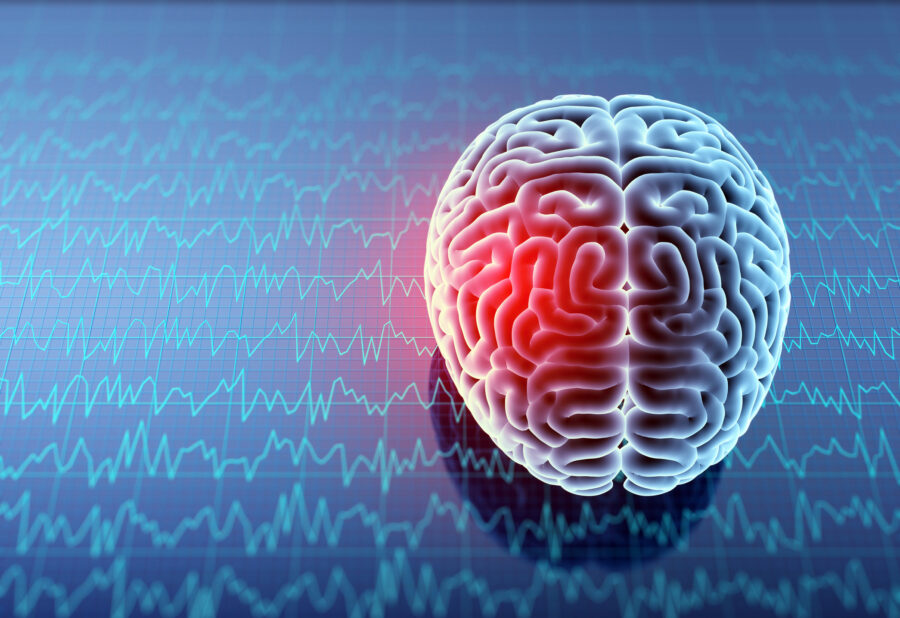
A traumatic brain injury (TBI) occurs when an external force disrupts normal brain function. It can result from a blow or jolt to the head, a penetrating injury, or rapid movement of the brain within the skull. TBIs are generally classified as mild, moderate, or severe based on factors such as consciousness, memory loss, neurological symptoms, and the Glasgow Coma Scale (GCS).
Even a TBI that is classified as mild can cause symptoms that require medical treatment and interfere with daily life.
What Can Cause a Traumatic Brain Injury?
A TBI can occur whenever an external force damages the brain. The head doesn’t necessarily have to strike an object; sudden acceleration or deceleration can also cause the brain to move inside the skull.
Common causes include:
- Motor vehicle accidents
- Falls
- Pedestrian and bicycle accidents
- Sports and recreational activities
- Workplace accidents
- Assaults
The circumstances of an accident alone do not determine the severity of a TBI. A medical evaluation is necessary to diagnose the injury and assess its effects.
What Is the Difference Between Mild, Moderate, and Severe TBIs?
Traumatic brain injuries are commonly classified as mild, moderate, or severe based on a person’s condition after the injury. Doctors may consider loss of consciousness, memory loss, neurological findings, imaging results, and the Glasgow Coma Scale.
Mild TBI: A mild TBI may cause a brief change in consciousness, confusion, headache, dizziness, or memory problems. A concussion is a type of mild TBI. “Mild” describes the initial classification and does not necessarily mean symptoms will resolve quickly.
Moderate TBI: A moderate TBI involves a more significant disruption of brain function. A person may experience a longer period of unconsciousness or memory loss and may require hospitalization or rehabilitation.
Severe TBI: A severe TBI can involve prolonged unconsciousness or significant neurological impairment. These injuries may require intensive treatment and cause lasting cognitive, physical, behavioral, or functional limitations.
What Is the Glasgow Coma Scale?
The Glasgow Coma Scale is a clinical tool used to assess a person’s level of consciousness after a brain injury. It measures eye opening, verbal response, and motor response to produce a total score between 3 and 15.
Traditional GCS severity classifications are:
- 13–15: Mild TBI
- 9–12: Moderate TBI
- 3–8: Severe TBI
A lower score generally indicates greater impairment of consciousness. However, the GCS is only one part of a TBI evaluation. Doctors may also consider neurological symptoms, loss of consciousness, post-traumatic amnesia, and imaging findings.
What Are the Symptoms of a Traumatic Brain Injury?
TBI symptoms vary depending on the nature and severity of the injury, and some may not appear immediately.
Possible symptoms include:
- Headaches
- Dizziness or balance problems
- Nausea or vomiting
- Confusion or memory problems
- Difficulty concentrating
- Sensitivity to light or noise
- Mood or behavioral changes
- Sleep disturbances
- Loss of consciousness
More serious symptoms can include seizures, weakness or numbness, difficulty speaking, profound confusion, or prolonged unconsciousness. Anyone with a suspected brain injury should receive prompt medical attention.
When Should You Contact a Florida Brain Injury Lawyer?
You should consider speaking with a brain injury lawyer if you suffered a TBI because of another party’s negligence. An attorney can investigate what happened, preserve evidence, and explain your legal options.
Kibbey Wagner Injury & Car Accident Lawyers has more than 80 years of combined experience and has recovered over $500 million for injured clients. Our attorneys understand the challenges that can follow a brain injury and can help you determine your next steps under Florida law.
Frequently Asked Questions
Is a Concussion a Traumatic Brain Injury?
Yes. A concussion is classified as a mild traumatic brain injury. Despite the term “mild,” symptoms can sometimes persist and require ongoing medical care.
Can You Have a TBI Without Losing Consciousness?
Yes. Loss of consciousness is not required. A person may remain awake but experience confusion, memory problems, headaches, dizziness, or other symptoms.
Can a Mild TBI Have Lasting Effects?
Yes. “Mild” refers to the initial classification of the injury and does not necessarily predict recovery. Some people experience symptoms that persist and interfere with work or everyday activities.
Contact a Stuart Brain Injury Lawyer at Kibbey Wagner Injury & Car Accident Lawyers for a Free Consultation
If you suffered a traumatic brain injury because of someone else’s negligence in Stuart, FL, our experienced team can investigate what happened and explain your legal options.
For more information, please contact the Stuart, Port St. Lucie, or Palm Beach Gardens personal injury law firm of Kibbey Wagner Injury & Car Accident Lawyers to schedule a free consultation today.
We proudly serve Martin County, St. Lucie County, Palm Beach County, and its surrounding areas in Florida:
Kibbey Wagner Injury & Car Accident Lawyers Stuart
73 SW Flagler Ave
Stuart, FL 34994
(772) 444-7000

Kibbey Wagner Injury & Car Accident Lawyers Port St. Lucie
1100 SW St. Lucie West Blvd. Ste 208
Port St Lucie, FL 34986
(772) 247-3374
Kibbey Wagner Injury & Car Accident Lawyers Palm Beach Gardens
300 Ave of the Champions Ste 170
Palm Beach Gardens, FL 33418
(561) 944-4000