
A sports injury refers to any physical harm that occurs during athletic activity, exercise, or fitness training. These injuries can affect muscles, bones, ligaments, tendons, joints, and other soft tissues. While sports and physical activities provide numerous health benefits — including improved cardiovascular fitness, stronger muscles, and better mental health — they also carry an inherent risk of injury.
Sports injuries may occur suddenly or develop gradually over time. Sudden injuries tend to happen during a specific event — like a fall, collision, or awkward landing — while overuse injuries result from repetitive motion or excessive strain on a particular body part.
Common Types of Sports Injuries

Sports injuries vary widely in nature and severity. Some are relatively minor and heal with basic care, while others can be serious and require medical intervention or even surgery.
Common categories include:
- Sprains
- Strains
- Broken bones
- Dislocations
- Concussions
- Contusions
- Tendinitis
- Hamstring pulls
- Stress fractures
- Shin splints
- ACL tears
Sports injuries can vary significantly depending on the specific sport and mechanics involved.
Signs and Symptoms of a Sports Injury
Symptoms vary based on the type and severity of the injury, but common signs include:
- Swelling
- Inflammation
- Pain
- Tenderness
- Reduced range of motion
- Bruising
- Discoloration
- Numbness
- Weakness
Recognizing the signs and symptoms of a sports injury early can make a significant difference in recovery time and long-term health.
Causes and Risk Factors
While some injuries occur in unavoidable, split-second moments, many are linked to controllable factors such as improper technique, inadequate conditioning, overtraining, or unsafe environments.
Several factors contribute to the likelihood of sports injuries, including:
- Sudden Accidents. Unexpected falls, collisions with other players, or awkward landings can cause acute injuries.
- Overtraining. Repetitive motions without adequate recovery lead to wear and tear.
- Poor Technique. Incorrect posture or movement patterns increase stress on joints and muscles.
- Inadequate Equipment. Using worn-out or inappropriate gear (like poorly fitting shoes or helmets) can elevate risk.
- Lack of Warm-Up. Failing to prepare the body with stretching and mobility work makes muscles and joints more injury-prone.
By identifying personal risk factors and taking proactive measures — including proper training, rest, supervision, and equipment use — athletes of all ages can significantly reduce their likelihood of injury.
Treatment and Rehabilitation
Treatment depends on the type and severity of the injury.
General approaches include:
- R.I.C.E. Method. Rest, Ice, Compression, and Elevation — a foundational first-aid approach for many acute injuries
- Physical Therapy. Exercises designed to restore strength, flexibility, balance, and range of motion
- Medications. Anti-inflammatory drugs or pain relievers prescribed by a doctor
- Bracing or Casting. Supportive devices help protect healing tissue and stabilize joints or bones.
- Surgery. Severe injuries — like torn ligaments or complex fractures — may require surgical repair.
- A Rehabilitation Program. Once pain stabilizes, tailored rehab helps athletes return to activity safely.
Addressing the injury promptly, following medical guidance, and committing to a structured plan may help athletes regain confidence and safely resume the activities they enjoy.
When a Sports Injury May Have Legal Implications
Most sports injuries are considered part of the inherent risk athletes accept when they participate in physical activity. That means typical sprains, strains, and impact injuries usually do not give rise to legal claims. However, legal liability may arise when injuries result from circumstances beyond ordinary play.
Negligence
If an injury occurs because a coach, organizer, facility, or other party failed to take reasonable care — for example, by ignoring unsafe field conditions, failing to maintain equipment, or lacking proper supervision — there may be grounds to seek legal compensation.
Defective Equipment
Injuries caused by defective gear (like helmets or protective pads) may support a product liability claim against manufacturers.
School or Organization Liability
Schools, gyms, and leagues may be responsible for maintaining safe environments. If they breach their duty of care and that breach directly leads to an injury, they may be held liable.
Understanding when a sports injury crosses from a routine health event into something legally actionable requires careful evaluation of the facts and applicable law.
What to Do After Suffering a Sports Injury
Knowing what steps to take immediately after a sports injury can make a significant difference in your recovery, long-term health, and — in some cases — your ability to protect your legal rights.
Consider doing the following after suffering a sports injury:
- If you feel sudden pain, instability, dizziness, or hear a “pop” during activity, stop playing right away
- Assess the severity of the injury
- Seek immediate medical attention
- Write down what happened
- Take photographs of the scene or any unsafe conditions
- Report the injury to a coach, league official, or facility manager
- Collect contact information for witnesses
- Adhere to your prescribed recovery plan
- Keep records of medical treatment and expenses
- Contact a personal injury attorney
Whether the injury happens during a recreational game, school practice, or organized league event, acting quickly and thoughtfully is essential.
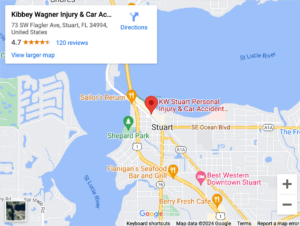
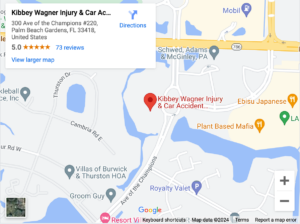
Contact the Stuart Personal Injury Attorneys at Kibbey Wagner Injury & Car Accident Lawyers for a Free Consultation
Sports injuries can be painful, disruptive, and costly — both physically and financially. Knowing what type of injury you have, how it’s treated, and how you can prevent future problems empowers you to stay active and healthy.
In cases where negligence or unsafe conditions contribute to an injury, affected individuals may be entitled to seek compensation. If you or a loved one has suffered a serious sports injury due to another party’s negligence, Kibbey Wagner Injury & Car Accident Lawyers can help explain your rights, guide you through the legal process, and pursue the compensation you deserve. Contact us today or call (772) 444-7000 for a free consultation with a Stuart personal injury lawyer.