
Kibbey Wagner Injury & Car Accident Lawyers | January 16, 2026 | Car Accidents
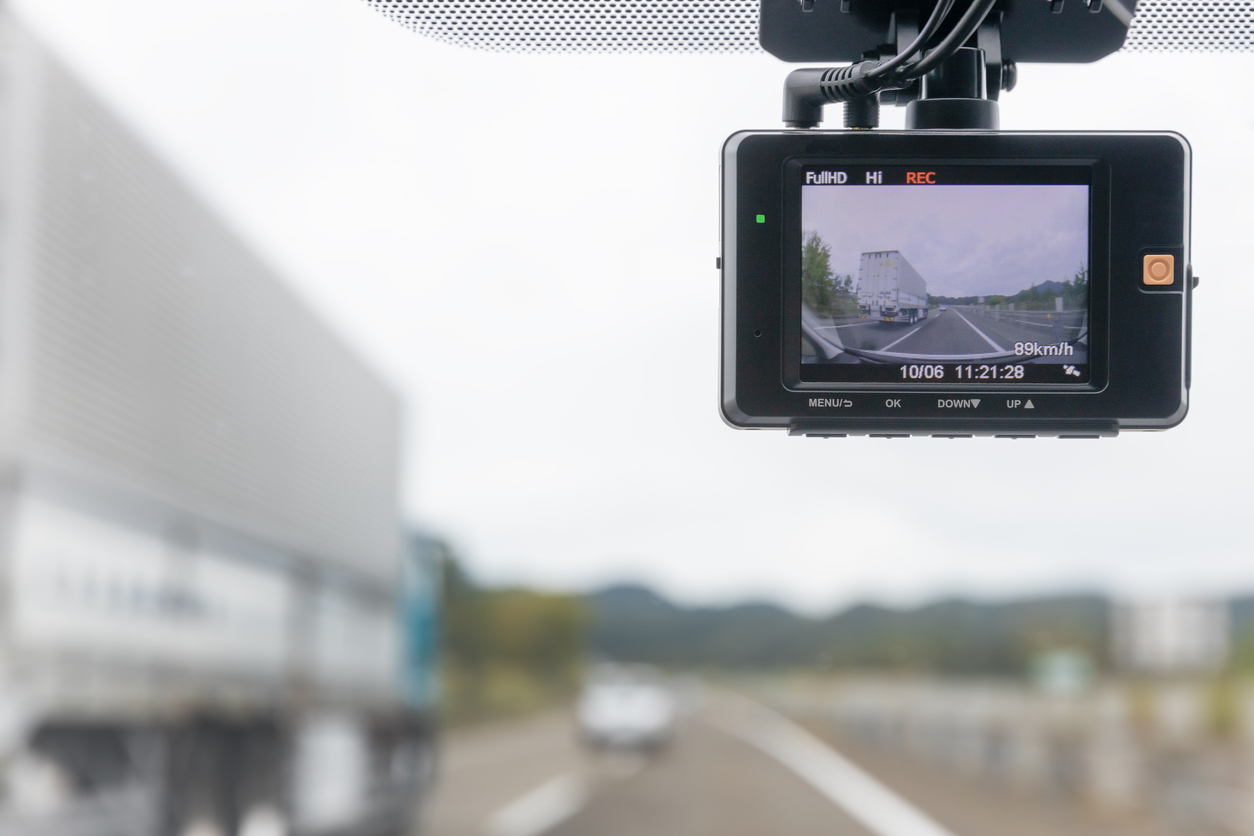
After a car accident, evidence is everything. While police reports, witness statements, and photos from the scene are important, one of the most powerful forms of evidence is surveillance camera footage. Video evidence can clearly show how a crash happened, who was at fault, and whether a driver acted negligently.
However, obtaining surveillance footage isn’t always straightforward. Cameras are often owned by private businesses or government agencies, and footage may be deleted within days. Knowing how to act quickly and correctly can make all the difference.
Below is a step-by-step guide on how to get surveillance camera footage after a car accident.
Why Surveillance Footage Matters After a Car Accident
Surveillance cameras are everywhere—traffic lights, gas stations, retail stores, apartment complexes, parking garages, and even private homes.
If your accident occurred near one of these locations, video footage may:
- Show the exact sequence of events leading up to the crash
- Confirm which driver ran a red light or failed to yield
- Capture vehicle speed, lane changes, or reckless behavior
- Support or contradict witness statements
- Strengthen your insurance claim or personal injury lawsuit
Insurance companies take video evidence seriously, and courts often view it as highly credible.
Step 1: Identify Potential Camera Locations
As soon as possible after the accident, take note of nearby cameras.
Look for:
- Traffic cameras at intersections
- Cameras mounted on businesses (stores, restaurants, gas stations)
- Apartment or condo security cameras
- Parking lot or garage surveillance systems
- Doorbell or residential security cameras facing the street
If you took photos at the scene, review them—cameras may appear in the background.
Step 2: Act Quickly Before Footage Is Deleted
One of the biggest mistakes accident victims make is waiting too long. Many surveillance systems automatically overwrite footage within 24 hours to 30 days, depending on the system.
If you delay, the footage may be permanently erased—even if it clearly proves fault.
Time is critical, so it’s important to begin the process immediately.
Step 3: Request the Footage from the Owner
If the camera belongs to a private business or property owner, you (or your attorney) can contact them directly.
When making a request:
- Be polite and professional
- Provide the date, time, and location of the accident
- Explain that you were involved in a car accident nearby
- Ask whether footage is available and how it can be preserved
Some owners may voluntarily provide a copy, while others may refuse without a formal legal request.
Step 4: Send a Preservation Letter
If the footage owner is hesitant or unresponsive, a preservation letter (also called a spoliation letter) can be sent. This letter formally requests that the footage be preserved and not deleted because it may be evidence in a legal claim.
Preservation letters are often more effective when sent by a personal injury attorney, as they signal the seriousness of the request and create legal consequences for destroying evidence.
Step 5: Obtaining Traffic Camera Footage
Traffic cameras are typically owned by cities, counties, or state agencies. Access rules vary by jurisdiction.
Some agencies release footage through:
- Public records or Freedom of Information Act (FOIA) requests
- Subpoenas issued during a legal case
It’s important to note that not all traffic cameras record video—some only monitor traffic flow in real time.
Step 6: Let a Car Accident Lawyer Handle It
While it’s possible to try obtaining footage on your own, working with a car accident lawyer significantly improves your chances of success.
An attorney can:
- Identify all potential sources of video evidence
- Send formal preservation and demand letters
- Issue subpoenas if necessary
- Ensure footage is properly authenticated and admissible
- Use the footage strategically to negotiate with insurers or present in court
Most importantly, a lawyer knows how to act quickly before evidence disappears.
What If the Footage Is Already Gone?
Even if surveillance footage no longer exists, you may still have a strong case using other evidence such as witness statements, vehicle damage analysis, dash cam footage, or accident reconstruction. A lawyer can evaluate all available evidence and advise you on next steps.
Contact Kibbey Wagner Injury & Car Accident Lawyers for a Free Consultation
Surveillance camera footage can be a game-changer after a car accident—but only if it’s secured in time. Identifying nearby cameras, acting quickly, and involving an experienced car accident attorney can greatly increase your chances of preserving this critical evidence.
If you’ve been injured in a car accident and believe surveillance footage may exist, don’t wait. Taking swift action could protect your rights and strengthen your claim. Please contact the Stuart, Port St. Lucie, or Palm Beach Gardens personal injury law firm of Kibbey Wagner Injury & Car Accident Lawyers to schedule a free consultation today.
We proudly serve Martin County, St. Lucie County, Palm Beach County, and its surrounding areas in Florida:
Kibbey Wagner Injury & Car Accident Lawyers Stuart
73 SW Flagler Ave
Stuart, FL 34994
(772) 444-7000
Kibbey Wagner Injury & Car Accident Lawyers Port St. Lucie
1100 SW St. Lucie West Blvd. Ste 202
Port St Lucie, FL 34986
(772) 247-3374
Kibbey Wagner Injury & Car Accident Lawyers Palm Beach Gardens
300 Ave of the Champions Ste 170
Palm Beach Gardens, FL 33418
(561) 944-4000