

William | September 1, 2026 | Personal Injury
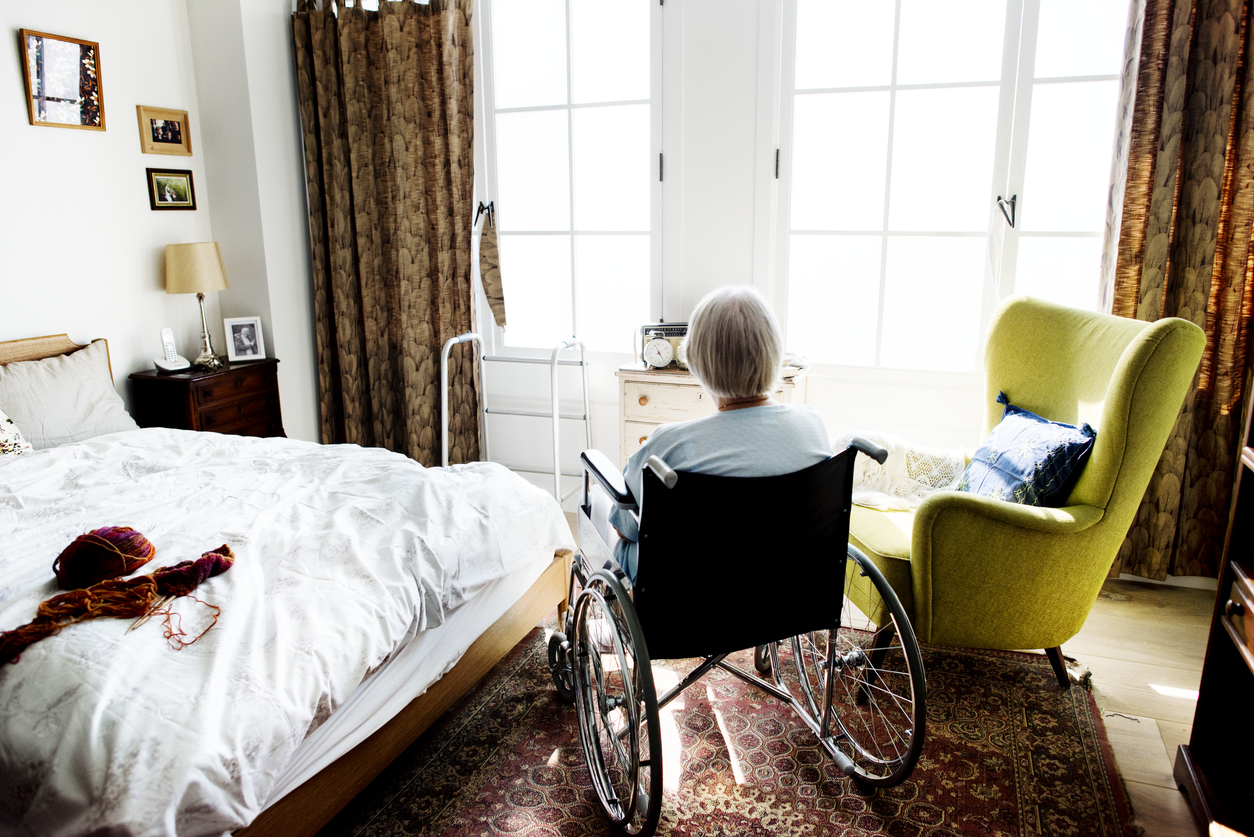
Families place loved ones in nursing homes because they expect them to receive proper care, attention, and respect. When that care falls short, small concerns can sometimes point to much larger problems. In serious cases, poor treatment may raise questions about nursing home neglect or violations of a resident’s rights.
Florida law gives nursing home residents specific rights and protections. These include the right to receive adequate and appropriate health care, be treated with dignity, and remain free from abuse and neglect. Although residents and their families may raise many concerns, three types of complaints that may raise serious concerns involve poor personal care, inadequate nutrition, and insufficient staffing or supervision.
1. Inadequate Personal Care and Hygiene
Many nursing home residents need help with daily tasks they can no longer do safely on their own. Depending on a resident’s health and care plan, staff may need to help with bathing, dressing, grooming, and other personal needs.
Signs that a resident may not be receiving proper personal care include:
- Soiled clothing or bedding
- Poor oral or personal hygiene
- Unexplained skin problems
- Pressure injuries
- Strong odors
- Repeatedly unanswered requests for help
One problem does not always mean that neglect has occurred. Nursing homes are busy places, and occasional issues can happen. However, repeated problems or a decline in a resident’s health may give family members reason to look into the situation.
2. Poor Food, Hydration, or Nutrition
Complaints about nursing home meals are not always about whether a resident likes the food. Proper food and hydration are important to a resident’s health, especially for older adults and people with certain medical conditions.
Signs of a possible problem may include weight loss, dehydration, weakness, untouched meals, or repeated complaints about a lack of food or fluids.
A nursing home should provide care based on each resident’s needs and care plan. When a resident does not receive the help they need with meals or hydration, the effects can be serious.
Family members who notice changes in a loved one’s eating habits can ask staff how they track food and fluid intake. They can also discuss weight loss, weakness, or other health changes with the resident’s medical provider.
3. Inadequate Staffing and Supervision
Staffing and supervision can affect nearly every part of daily life in a nursing home. Without proper attention, residents may face delays in getting help with medication, meals, mobility, and other basic needs.
Poor supervision may also lead to falls, wandering, preventable injuries, or delays in noticing changes in a resident’s health. Families may notice that call lights often go unanswered or residents are left alone for long periods. Staff members may also struggle to respond to basic requests.
An occasional delay does not always mean that a facility has violated the law. The facts surrounding the resident’s care must be considered.
Florida nursing home residents have a statutory right to adequate and appropriate health care and to remain free from abuse and neglect. When a facility violates a resident’s rights, it may face regulatory consequences. In some circumstances, an injured resident may also have grounds for a civil claim.
What Can You Do About a Nursing Home Complaint in Florida?
Families do not have to ignore conditions that may put a loved one’s health or safety at risk. Florida residents and their families have several ways to report concerns about nursing home care.
Florida law gives nursing home residents the right to file a complaint with the proper state agency or long-term care ombudsman. The Florida Agency for Health Care Administration (AHCA) accepts complaints about health care facilities. AHCA may inspect a facility when a complaint involves a possible violation.
Florida’s Long-Term Care Ombudsman Program can also help residents with concerns about their care and rights. It can address issues involving discrimination and certain transfers or discharges. Suspected abuse, neglect, or exploitation of a vulnerable adult can also be reported to the Florida Abuse Hotline.
If a nursing home resident appears to be in immediate danger, family members may need to contact emergency services or law enforcement.
Contact the Florida Nursing Home Abuse Lawyers at Kibbey Wagner Injury & Car Accident Lawyers for Legal Help
Problems involving hygiene, nutrition, staffing, or supervision can have serious consequences for nursing home residents. Families who believe something is wrong can document their concerns, report unsafe conditions, and learn more about the options available under Florida law.
For more information, please contact the Stuart, Port St. Lucie, or Palm Beach Gardens personal injury law firm of Kibbey Wagner Injury & Car Accident Lawyers to schedule a free consultation today with a Florida nursing home abuse attorney.
We proudly serve Martin County, St. Lucie County, Palm Beach County, and its surrounding areas in Florida:
Kibbey Wagner Injury & Car Accident Lawyers Stuart
73 SW Flagler Ave
Stuart, FL 34994
(772) 444-7000

Kibbey Wagner Injury & Car Accident Lawyers Port St. Lucie
1100 SW St. Lucie West Blvd. Ste 208
Port St Lucie, FL 34986
(772) 247-3374
Kibbey Wagner Injury & Car Accident Lawyers Palm Beach Gardens
300 Ave of the Champions Ste 170
Palm Beach Gardens, FL 33418
(561) 944-4000