
Jordan R. Wagner | July 30, 2026 | Florida Law
Many people assume they cannot recover compensation if they share some responsibility for an accident. That isn’t necessarily true. Florida law allows injured people to recover damages in many cases, even when they are partially responsible, although the amount they receive may be reduced.
Whether you were involved in a car accident, motorcycle crash, truck collision, or another type of personal injury case, understanding comparative fault can help you make informed decisions after an injury.
With more than 80 years of combined experience and over $500 million recovered, Kibbey Wagner Injury & Car Accident Lawyers is ready to help.
What Is Comparative Fault?
Comparative fault is a legal rule that assigns a percentage of responsibility to each party whose actions contributed to an accident. Instead of placing all the blame on one person, Florida law recognizes that multiple parties may share fault.
Comparative fault can apply to many personal injury cases, including car accidents, slip and falls, bicycle accidents, pedestrian accidents, and other negligence claims.
How Does Florida’s Comparative Fault Law Work?
Florida uses a modified comparative fault system for most negligence claims. If you are found to be 50% or less responsible for the accident, you may still recover compensation. However, your recovery is reduced by your percentage of fault.
For example, if your damages total $100,000 and you are found 20% at fault, your recovery would be reduced by $20,000, leaving you with $80,000.
If you are more than 50% responsible for the accident, Florida law generally prevents you from recovering compensation. There are limited exceptions for certain types of cases, including some medical malpractice claims.
How Is Fault Determined?
Fault is determined by reviewing the evidence surrounding the accident. Insurance companies investigate claims, and if a case goes to court, a judge or jury may decide who was responsible.
Evidence may include:
- Police reports
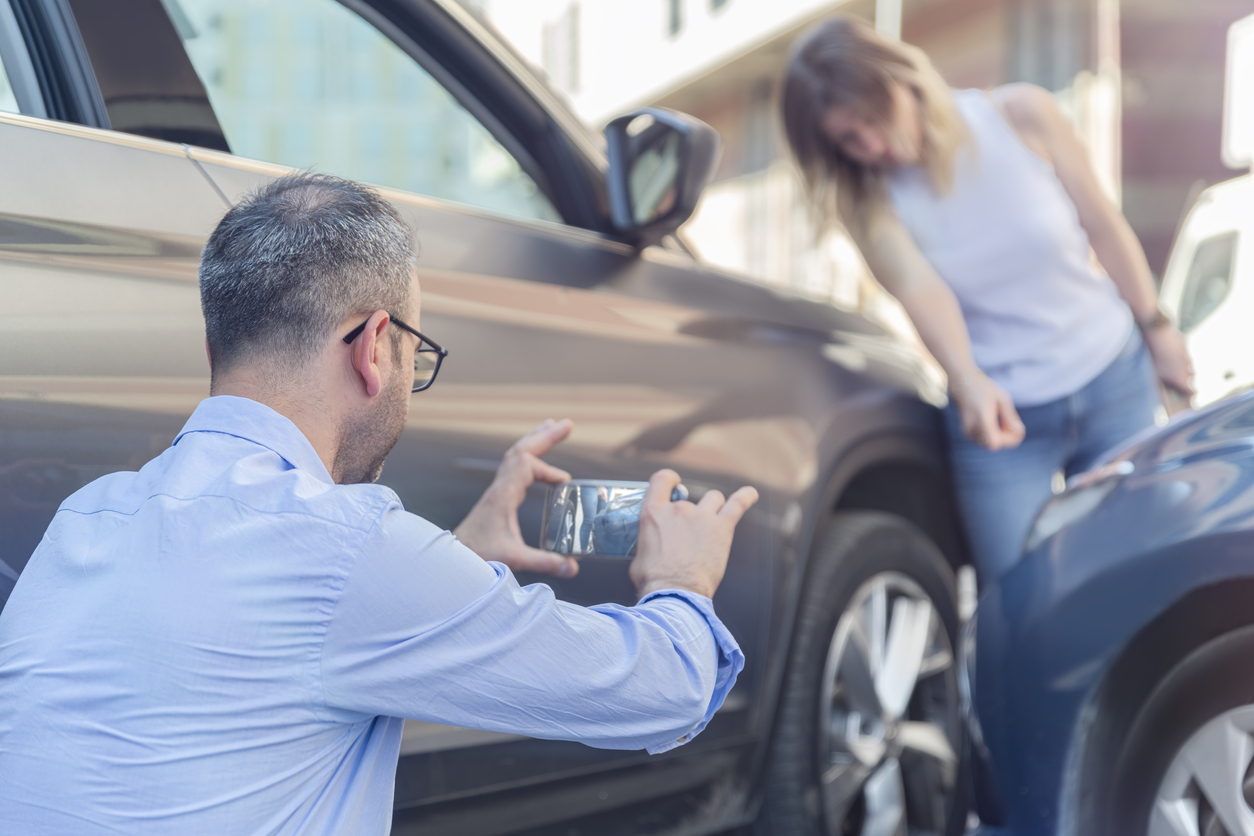
- Photos or videos
- Witness statements
- Traffic or surveillance camera footage
- Vehicle damage
- Medical records
Investigators consider all of the available evidence to determine how the accident happened and who was at fault.
What Should You Do if the Insurance Company Says You Were Partly at Fault?
Insurance companies may argue that you share more responsibility for an accident than the evidence supports because doing so can reduce the amount they pay.
If fault is disputed, consider taking the following steps:
- Avoid admitting fault at the accident scene.
- Seek medical care as soon as possible.
- Save photographs, videos, and other evidence.
- Obtain a copy of the police report.
- Collect contact information from witnesses.
- Be cautious before providing a recorded statement to the insurance company.
- Speak with a personal injury attorney before accepting a settlement.
If fault is disputed, Kibbey Wagner Injury & Car Accident Lawyers can evaluate the facts of your case and help you respond to claims that you were more responsible than the evidence shows.
Frequently Asked Questions
Who Decides How Much Fault Each Person Has?
Insurance companies usually make the first determination during the claims process. If the parties cannot reach an agreement, a judge or jury may decide each person’s share of fault after reviewing the evidence.
What Types of Evidence Can Help Prove I Was Less at Fault?
Photographs, surveillance footage, dashcam videos, witness statements, police reports, vehicle damage, accident reconstruction analysis, and medical records may all support your position and help establish what happened.
Should I Speak to the Insurance Adjuster if Fault Is Being Disputed?
Be careful when speaking with an insurance adjuster. Something that seems like an innocent comment may later be used to argue that you were more responsible for the accident. Before giving a recorded statement or agreeing to a settlement, it is often worthwhile to discuss your situation with an attorney.
How Can a Florida Personal Injury Lawyer Help if Fault Is Disputed?
When fault is contested, an attorney can gather evidence, interview witnesses, review accident reports, work with experts when appropriate, negotiate with the insurance company, and present the case in court if a lawsuit becomes necessary.
Contact Kibbey Wagner Injury & Car Accident Lawyers for a Free Consultation With a Florida Personal Injury Attorney
If you’ve been injured in a Florida accident and questions have been raised about who was at fault, don’t assume you have lost the ability to seek compensation. Many injured people still have valid claims even when they share some responsibility for what happened.
Contact Kibbey Wagner Injury & Car Accident Lawyers today for a free consultation with a Florida personal injury lawyer. We’ll review the facts of your case, explain how Florida’s comparative fault law applies, and discuss the next steps available to you.
We proudly serve Martin County, St. Lucie County, Palm Beach County, and its surrounding areas in Florida:
Kibbey Wagner Injury & Car Accident Lawyers Stuart
73 SW Flagler Ave
Stuart, FL 34994
(772) 444-7000

Kibbey Wagner Injury & Car Accident Lawyers Port St. Lucie
1100 SW St. Lucie West Blvd. Ste 208
Port St Lucie, FL 34986
(772) 247-3374
Kibbey Wagner Injury & Car Accident Lawyers Palm Beach Gardens
300 Ave of the Champions Ste 170
Palm Beach Gardens, FL 33418
(561) 944-4000